Nowadays, proper maintenance of eco-friendly clothing not only extends its durability but also reinforces a commitment to environmental sustainability. Adopting responsible practices when washing and caring for garments made from sustainable materials is essential to minimize environmental impact and preserve their original qualities.
Types of eco-friendly materials and garments
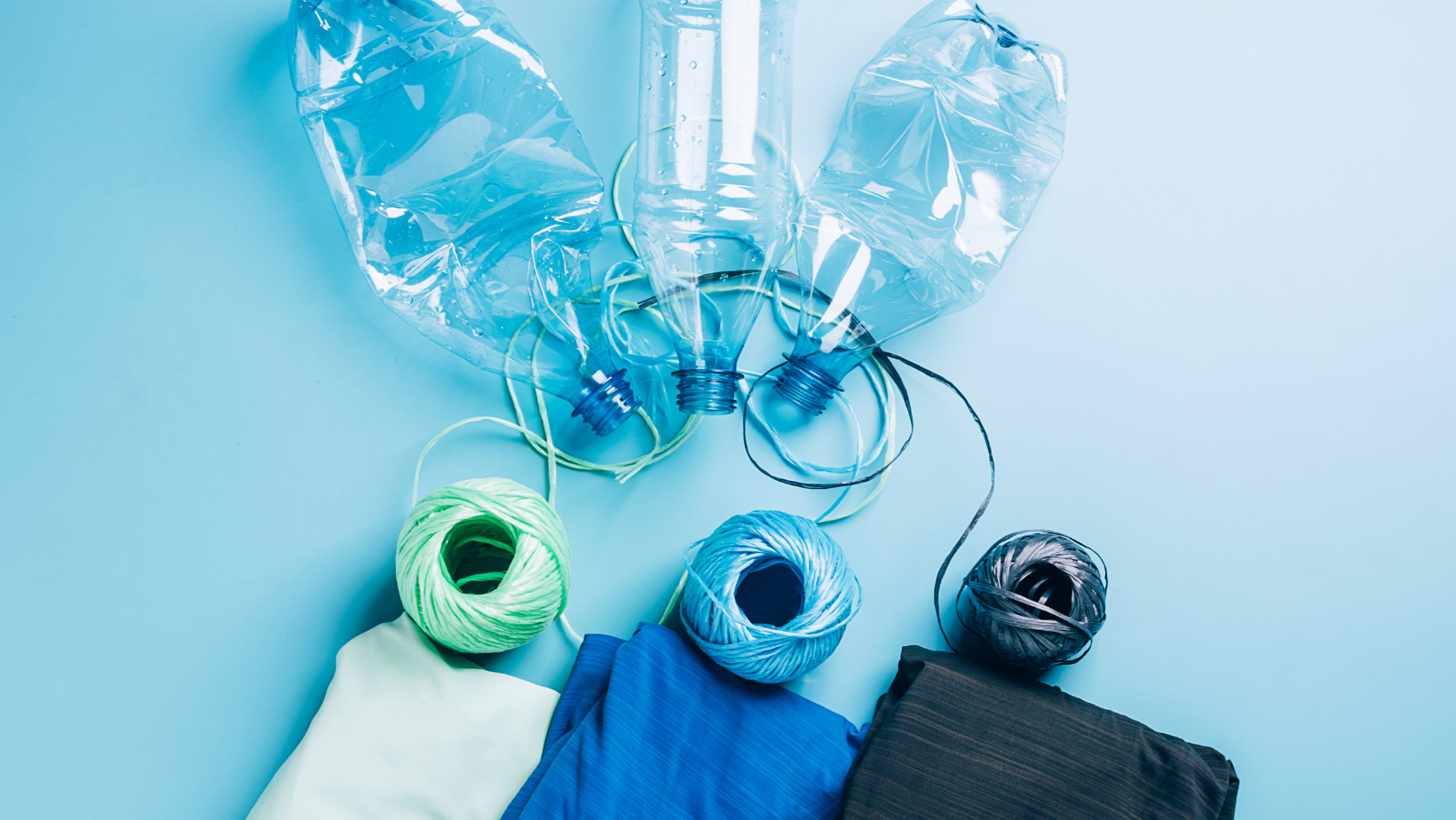
Recycled polyester (rPET): Made from plastic bottles and other containers. It is a resistant, lightweight, and breathable material.
Recycled nylon: Sourced from industrial or marine waste. Recycling nylon produces an elastic and durable fabric, ideal for leggings or tights.
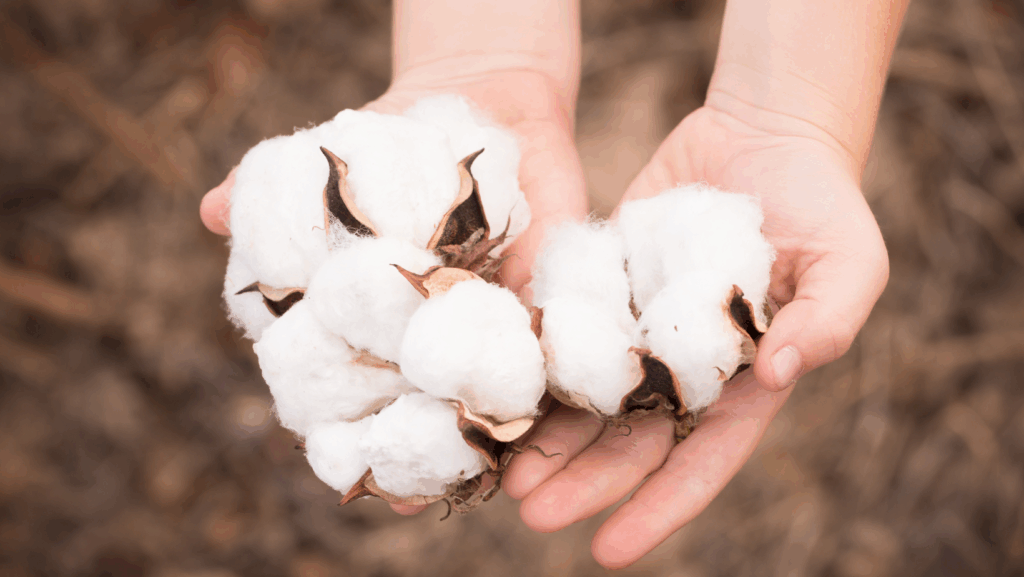
Organic cotton: Grown naturally without pesticides or fertilizers. Its careful cultivation creates a soft and breathable fabric.
Plant-Based materials: Various plant-derived fabrics exist, such as bamboo and hemp. They are known for being highly breathable.
Sustainable merino wool: Obtained from ethically raised sheep. This fabric absorbs moisture and offers excellent thermal properties.
Below are some key recommendations for the care of eco-friendly clothing.
Reducing Washing Frequency
It is advisable to evaluate whether a garment truly needs to be washed before doing so. Washing clothes less frequently reduces fabric wear and decreases water and energy consumption. In some cases—especially for garments not in direct contact with the skin—it may be enough to air them out or spot-clean minor stains to avoid unnecessary washing.
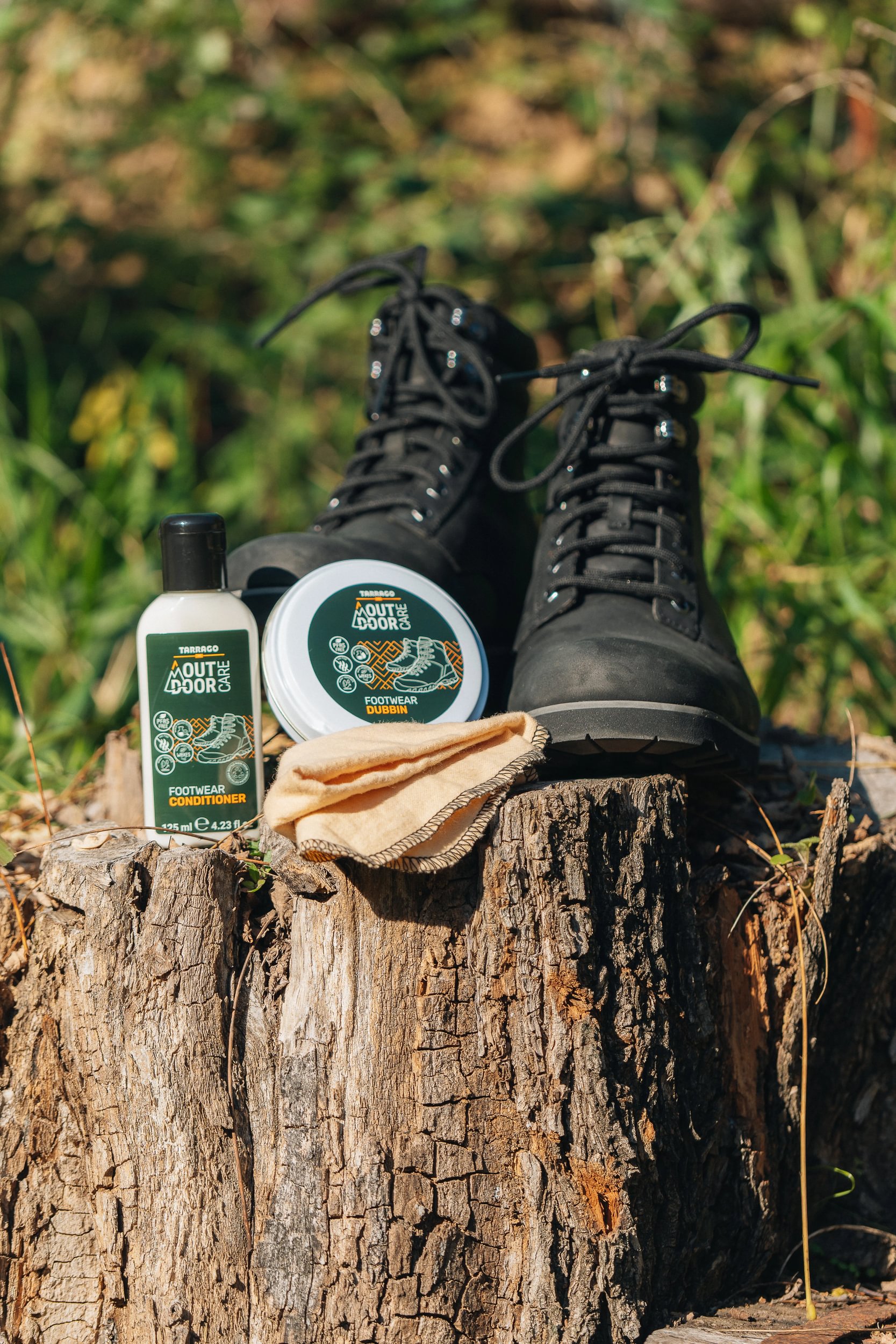
For example, footwear does not need to be machine washed, and nylon items (such as backpacks) can be cleaned outdoors using our spray cleaners like Footwear Cleaner or Equipment Cleaner.
Additionally, for sportswear such as technical jackets, our Tech Apparel Protector spray can be used to protect garments, prevent stains, and reduce the need for extra cleaning.
Washing with cold water and short cycles
Washing with cold water is an essential practice for caring for eco-friendly clothing, as it prevents fabric degradation and helps reduce energy consumption. Short wash cycles are generally sufficient to remove dirt without compromising garment quality. However, it is always advisable to follow the manufacturer’s care instructions found on each product label.
Air drying and avoiding the dryer
Whenever possible, clothing should be air-dried, since exposure to high temperatures in the dryer can affect fiber elasticity and structure. To prevent fading, it is best to dry garments in the shade.
Using PFAS-Free detergents
One of the most important aspects of caring for eco-friendly clothing is choosing the right detergent. It is recommended to use biodegradable detergents free from per- and polyfluoroalkyl substances (PFAS)—synthetic chemicals associated with various environmental and health issues.
Advantages of using PFAS-Free detergents
- Lower environmental impact: PFAS are highly persistent in the environment and can contaminate drinking water or soil. Choosing detergents without these compounds helps reduce the accumulation of toxic substances in ecosystems.
- Better health protection: Using PFAS-free detergents minimizes the absorption of harmful substances through the skin.
- Preservation of textile fibers: Conventional detergents containing PFAS can weaken fabrics over time. In contrast, eco-friendly detergents respect the fiber structure and extend the lifespan of garments.
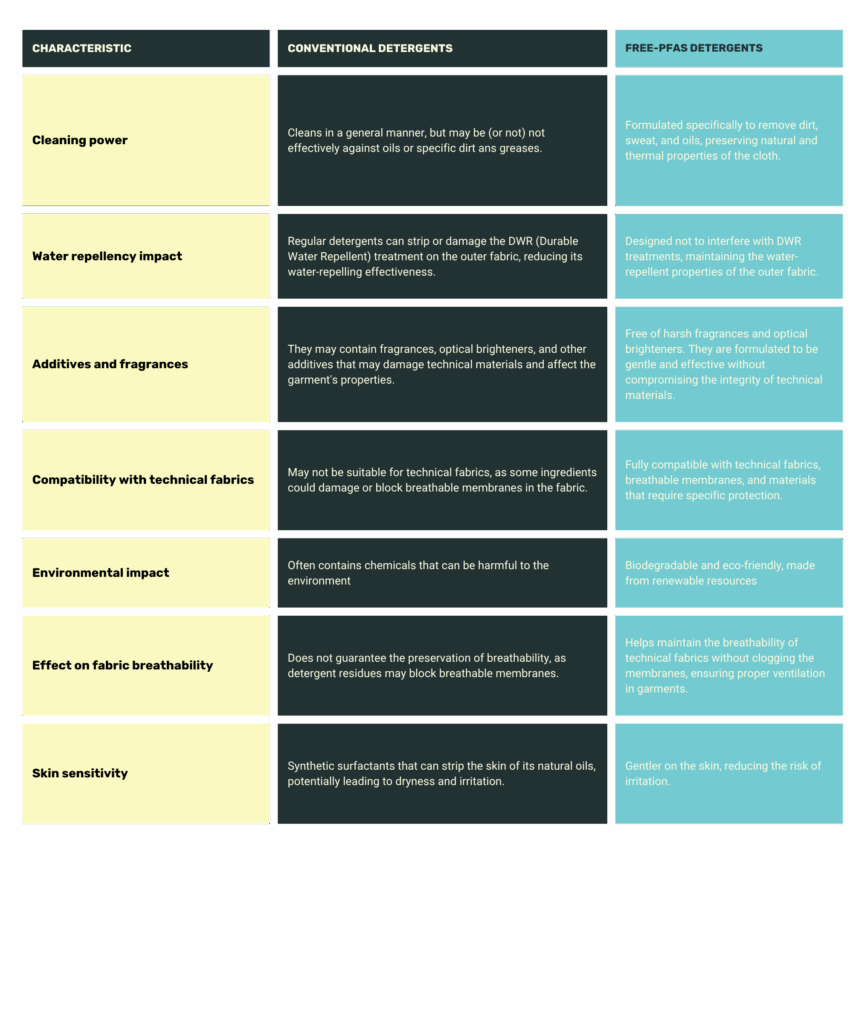
Comparative Table: Detergents With vs. Without PFAS
Conclusion
Responsible care of eco-friendly clothing is an effective strategy to promote sustainability and reduce environmental impact. By adopting the practices mentioned above, you not only benefit the environment but also ensure that your garments remain in optimal condition for longer.